Explainer
Charge controllers: what they do
How a controller protects the battery and why MPPT is common.
Published
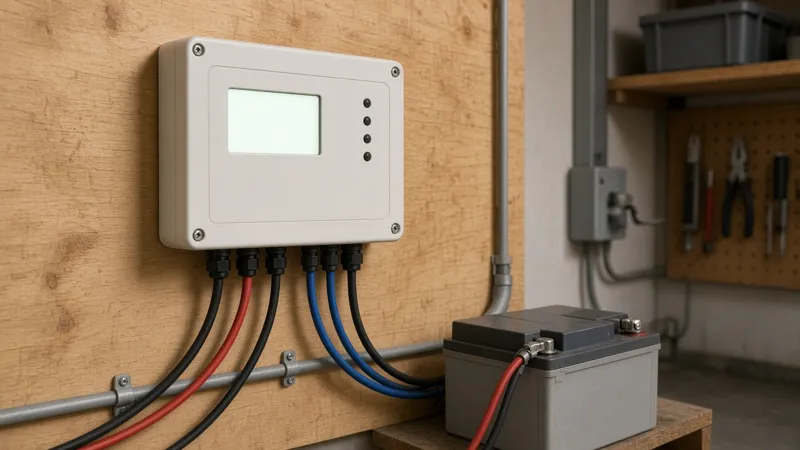
- The controller sits between panels and battery and regulates charging.
- MPPT controllers convert excess panel voltage into extra current.
- Check maximum input voltage, especially in cold weather.
Job of the controller
Panels produce voltage that varies with sun and temperature. The controller charges the battery at the right voltage stages for its chemistry and stops overcharging.
MPPT and PWM
PWM controllers connect panels to the battery in pulses and work best when panel voltage closely matches battery voltage. MPPT controllers track the panel's best operating point and step voltage down, typically harvesting more energy, especially in cold weather or with higher-voltage panel strings.
Cold-weather voltage
Panel voltage rises in the cold. Manufacturers publish open-circuit voltage and temperature coefficients; string voltage must stay under the controller's maximum input on the coldest morning.
Battery profile
Choose a controller with a charging profile for your battery chemistry, and temperature compensation or low-temperature cutoff where needed.
FAQ
Where do I go next?
Try the power planner to put numbers to your own situation, or see the product picks on the deals page.
Terms used here
- Charge controller
- Regulates charging from panels to battery.
- MPPT
- Maximum power point tracking controller.
- PWM
- Pulse-width modulation controller.
- Open-circuit voltage (Voc)
- Panel voltage with no load; rises in cold.
- Temperature coefficient
- How much panel output changes per degree.
This guide is informational and based on published specifications and general references, not hands-on testing. Check the manufacturer's current specs before you buy.