Explainer
Home backup batteries: how they connect
Whole-home vs essential-loads backup, transfer equipment and permits.
Published
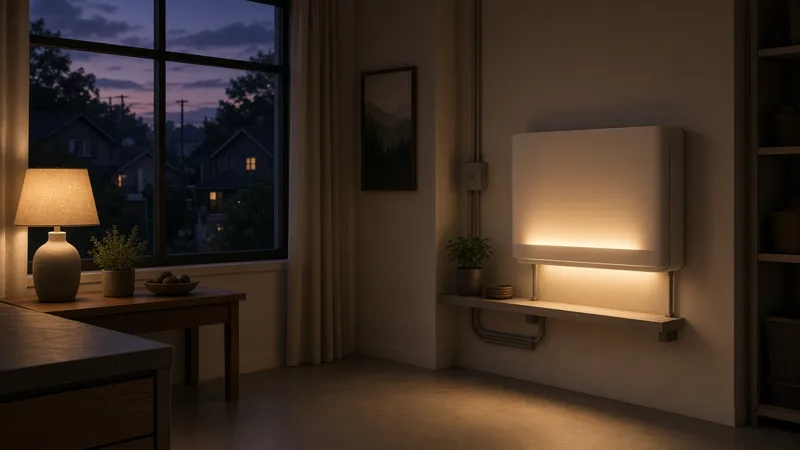
- Home batteries connect through a transfer switch, critical-loads panel or gateway.
- Essential-loads backup needs far less capacity than whole-home.
- Installation usually requires a licensed electrician, permits and sometimes utility approval.
Essential loads vs whole home
Backing up a refrigerator, lights, internet and a furnace fan takes much less battery than running central air or an electric range. Most designs start with a critical-loads list.
Transfer equipment
During an outage the home must be isolated from the grid so power cannot flow back onto utility lines, which endangers line workers. That is the job of a transfer switch, interlock or battery gateway.
With or without solar
A battery alone can cover short outages and, where utility rates allow, shift usage away from peak hours. With solar, it can recharge during a longer outage if the system is designed to operate off-grid.
Permits and incentives
Local codes, utility interconnection rules and incentive programs vary and change. Check your local building department, your utility and IRS.gov for current federal tax rules before planning around a credit.
FAQ
Where do I go next?
Try the power planner to put numbers to your own situation, or see the product picks on the deals page.
Terms used here
- Transfer switch
- Device that isolates home circuits from the grid during backup.
This guide is informational and based on published specifications and general references, not hands-on testing. Check the manufacturer's current specs before you buy.