Buying guide
Planning off-grid power for a cabin
Loads, autonomy, backup generation and the winter problem.
Published
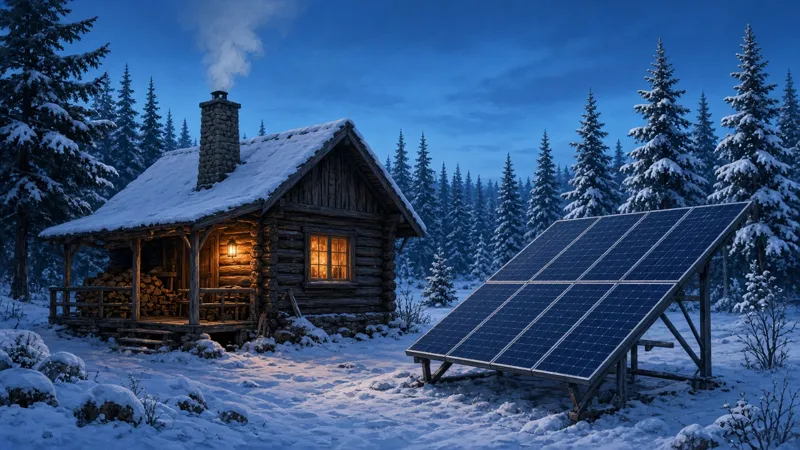
- Design for the season with the least sun you will be there.
- Propane or wood often handles heat and cooking far more efficiently than solar.
- A generator or backup charging source covers long cloudy stretches.
Start with efficiency
Every watt-hour you cut is battery and panel you don't need. LED lighting, an efficient refrigerator and avoiding electric resistance heating make the biggest difference.
Winter sizing
Off-grid systems that are used year-round are usually sized for December or January sun, which in northern states can be a fraction of summer output. Snow on panels also needs clearing.
Backup generation
Many off-grid homes pair solar with a generator for extended cloudy periods. Run generators outdoors only, far from windows and doors, to avoid carbon monoxide poisoning.
Battery location
Batteries have temperature limits. Many lithium batteries cannot charge below freezing without heating, and lead-acid capacity falls in the cold. Plan an insulated or conditioned space.
FAQ
Where do I go next?
Try the power planner to put numbers to your own situation, or see the product picks on the deals page.
Terms used here
- Watt (W)
- Rate of power use or production.
- Watt-hour (Wh)
- Energy: one watt for one hour.
This guide is informational and based on published specifications and general references, not hands-on testing. Check the manufacturer's current specs before you buy.