Safety guide
Solar and battery safety basics
Fusing, backfeed, generators and battery placement.
Published
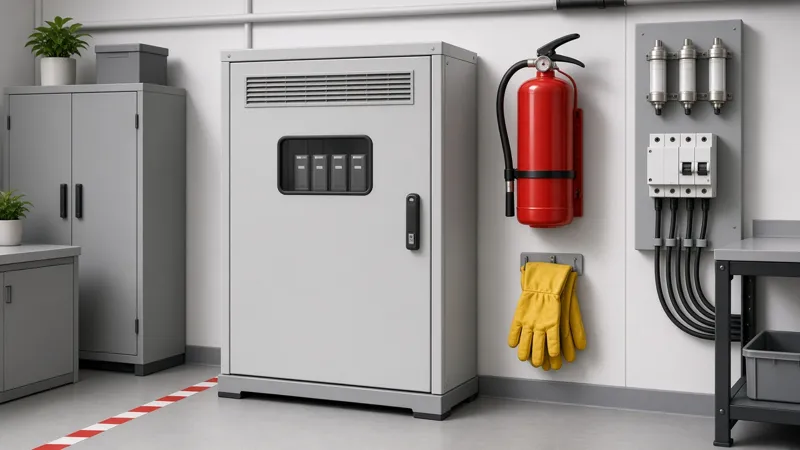
- Fuse or break every battery connection close to the battery.
- Never connect a generator or battery to house wiring without a transfer switch or interlock.
- Follow manufacturer clearances, ventilation and temperature limits.
Overcurrent protection
Batteries can deliver very high short-circuit current. DC-rated fuses or breakers sized to the wire protect cables from overheating.
No backfeeding
Plugging a power source into a household outlet ("backfeeding") can energize utility lines and injure workers, and can damage equipment. Use a properly installed transfer switch or interlock.
Carbon monoxide
Fuel-burning generators must run outdoors, away from windows, doors and vents. The CDC and U.S. Consumer Product Safety Commission recommend battery-operated CO alarms at home.
Professional installation
Systems connected to home wiring or the grid generally require permits and inspection under local electrical codes. A licensed electrician or installer can advise on what applies where you live.
FAQ
Where do I go next?
Try the power planner to put numbers to your own situation, or see the product picks on the deals page.
Terms used here
- Transfer switch
- Device that isolates home circuits from the grid during backup.
- Backfeed
- Power flowing into utility lines from a home source; dangerous.
This guide is informational and based on published specifications and general references, not hands-on testing. Check the manufacturer's current specs before you buy.