LiFePO4 vs lead-acid batteries
Cycles, usable capacity, weight and cold-weather behavior.
Published
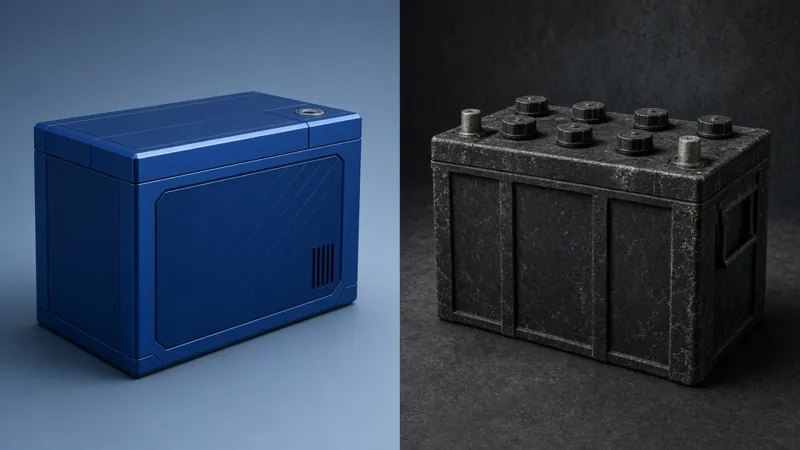
At a glance
| LiFePO4 | Lead-acid | |
|---|---|---|
| Usable depth of discharge | Commonly 80–100% | Commonly about 50% |
| Rated cycles | Often thousands | Often hundreds to around a thousand |
| Weight per kWh | Lighter | Heavier |
| Maintenance | None routine | Flooded types need water and ventilation |
| Charging below freezing | Usually blocked unless heated | Possible at reduced rates |
| Up-front cost | Higher | Lower |
Choose lifepo4 if…
- You cycle the battery daily
- Weight or space matters
Choose lead-acid if…
- Use is occasional standby
- Budget up front matters most
Cost per cycle
Higher cycle ratings and usable capacity can make lithium cheaper per delivered kWh over its life, even if the purchase price is higher. Compare using manufacturer cycle and warranty figures.
Bottom line
LiFePO4 suits most systems cycled regularly; lead-acid can still make sense for rarely used standby setups.
Informational comparison from published specs and general references; not a hands-on test.